


How to prepare your tow vehicle and caravan for the season
A great seasonal start is all about safety, tightness, and functionality. Carrying out a structured check now will reduce the risk of breakdowns, moisture issues, and bad-tasting water once you’re out on the road.
Tips
- Check your tires’ condition and tire pressure
- Test your lights and brakes before your first long trip
- Check the battery, charger, and earth leakage circuit breaker
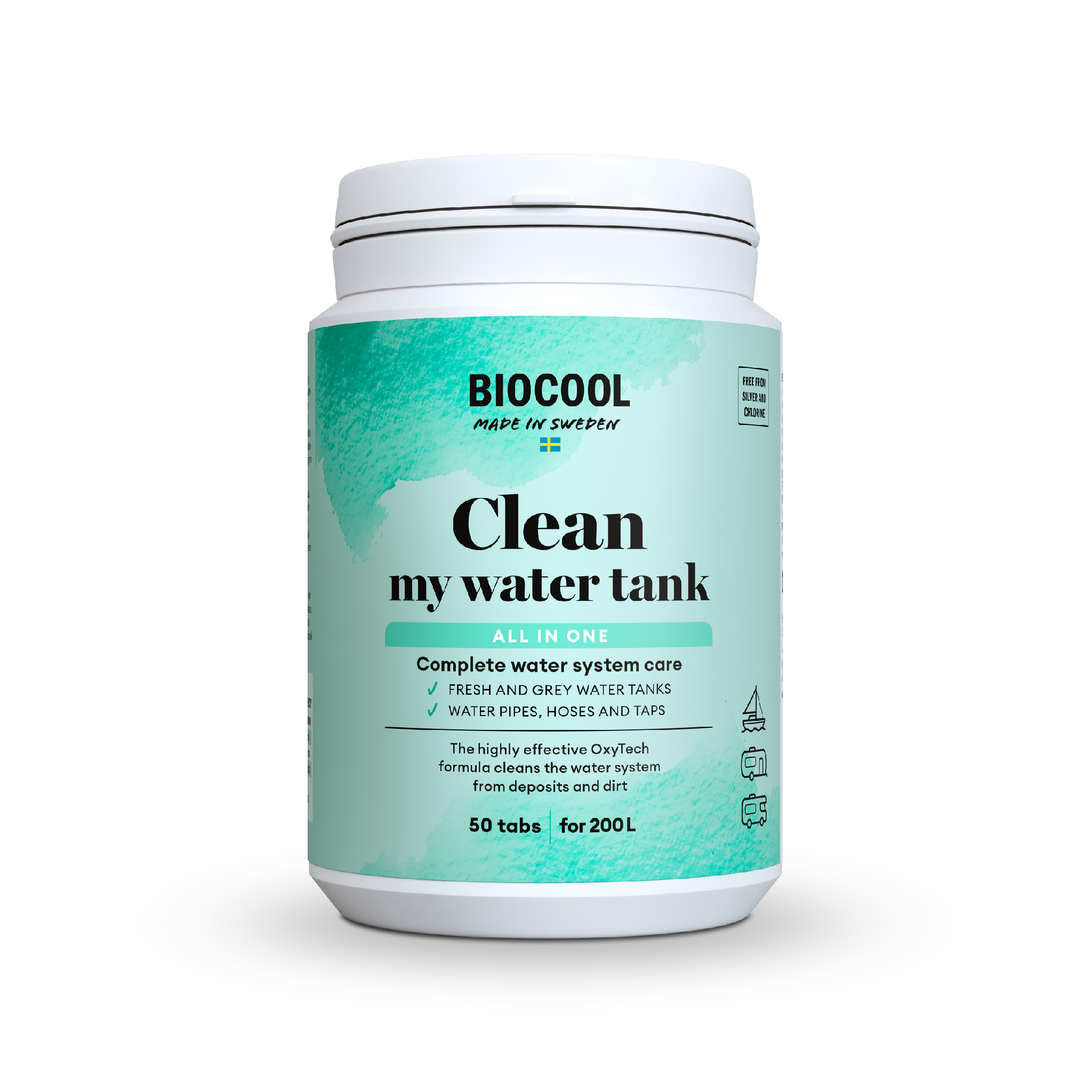
- Clean the water tank and water pipes
- Fill up hygienically using a clean water hose, and add water treatment when refilling
Step-by-step: seasonal preparation from exterior to water system
-
Sealing and Moisture
Inspect the roof, seams, windows, hatches, and penetrations. Look for cracks in sealant and discoloration. Also check the rear cargo hatch and roof hatches. -
Tires and Wheels
Check your tires’ tread depth, cracks, and age. Verify tire pressure. For caravans, it’s especially important that the tires can handle the load. Ensure your spare tire and tools are present. -
Brakes, Coupling, and Lighting
For the caravan, check the hitch coupling, safety chains, and that the brakes apply evenly. Confirm the electrical connection works and all lights illuminate. For the tow vehicle, check brake feel and all exterior lights. -
Registration and Insurance
Arrange registration with the transport authority and confirm you have valid insurance. -
Battery and Electricals
Check the battery’s condition and terminals. Test the 12V and 230V systems. Test the earth leakage circuit breaker. Inspect the charger and cables. -
Gas and Ventilation
Check the hoses, regulator, and expiry dates. Ensure ventilation is unobstructed. If you suspect a leak, have the system inspected by a qualified professional. -
Heating, Hot Water, and Cooling
Start the heater and hot water system according to the manual. Test the cooling system well in advance. Check that heat is distributed properly and that fans operate correctly. -
Clean the Toilet Cassette
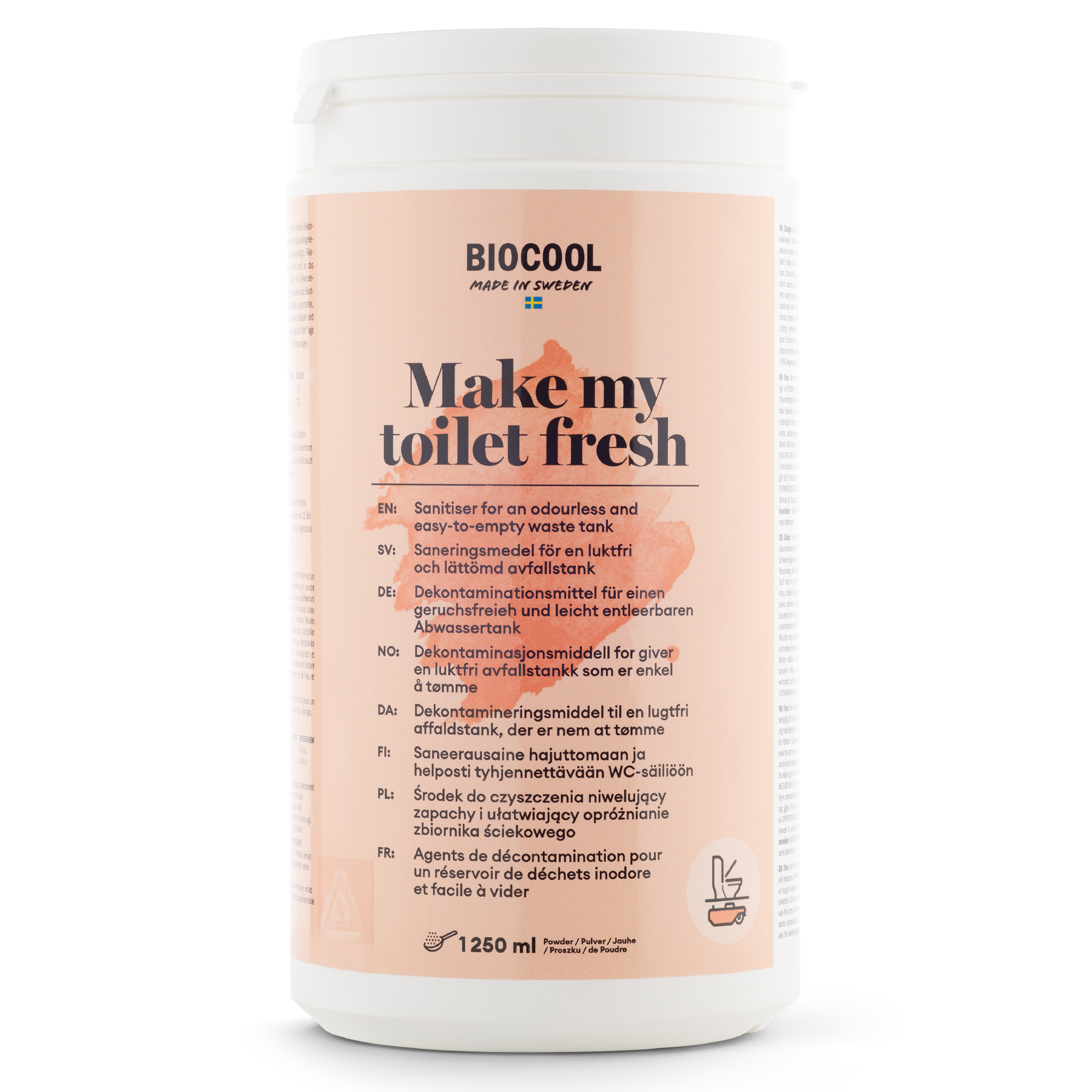
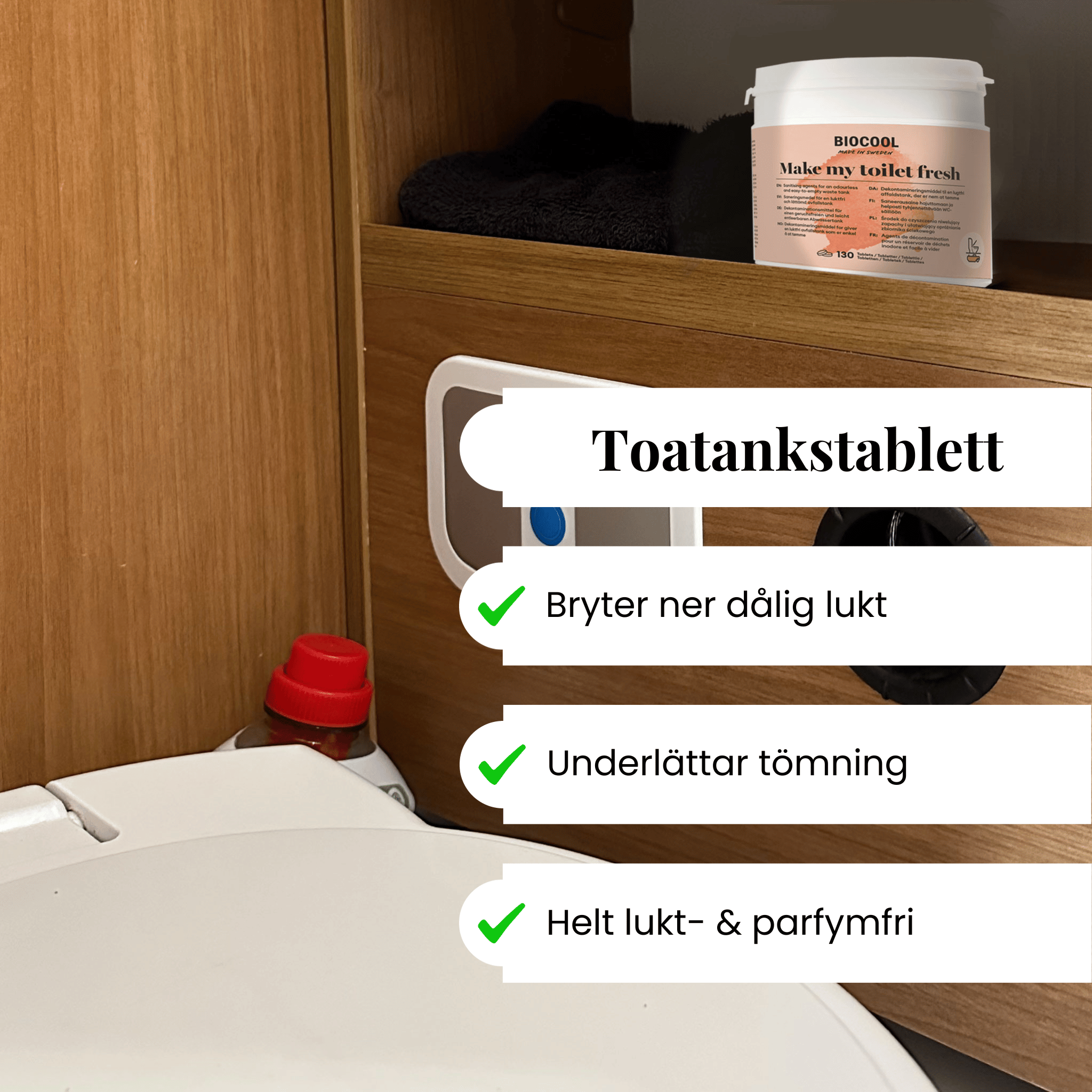
Clean the toilet cassette as needed and check if you have any holding tank treatment product left. -
Water System: Drain, Flush, and Clean
Flush through the system and drain it completely. Clean the water tank and pipes before using the water. Buildups can affect taste and odor even after refilling with fresh water. -
Fill Hygienically and Maintain Water Quality
Use a clean hose and flush through the hose before refilling. Avoid letting the end of the hose touch the ground. Add water treatment when refilling. If the tank is not completely empty, dose based on the amount of new water you are adding. -
Test Run and Document
Carry out a functional test at home or at your storage site. Note down any repairs or adjustments needed before your first long trip.
Water Check: The Step Many People Miss
Water deteriorates quickly if the tank has been sitting idle. That’s why it’s smart to start the season by cleaning the tank and pipes, then add water treatment when refilling to maintain consistent quality.
Frequently Asked Questions
When should I perform my seasonal check?
Once the risk of hard frost has passed. You can carry out checks on tires, brakes, electricals, and sealing earlier.
Do I need to clean the water tank every season?
Yes, cleaning removes buildups that would otherwise accumulate in the system and can also affect taste and odor.
What if I’m just topping up a little water?
Add water treatment based on the amount of new water you are refilling with, not based on the full tank size if the tank already contains water.
What’s the Most Common Mistake Made When Starting the Season?
Refilling with fresh water without first cleaning the system, and using a hose that hasn’t been stored clean and dry.
When Should I Seek Professional Help?
If you suspect a gas leak, electrical issues, water damage, or if your brakes and coupling don’t feel right.
Links