




Heavy-Duty Water Tank Cleaning: How to Remove Deposits, Biofilm and Limescale
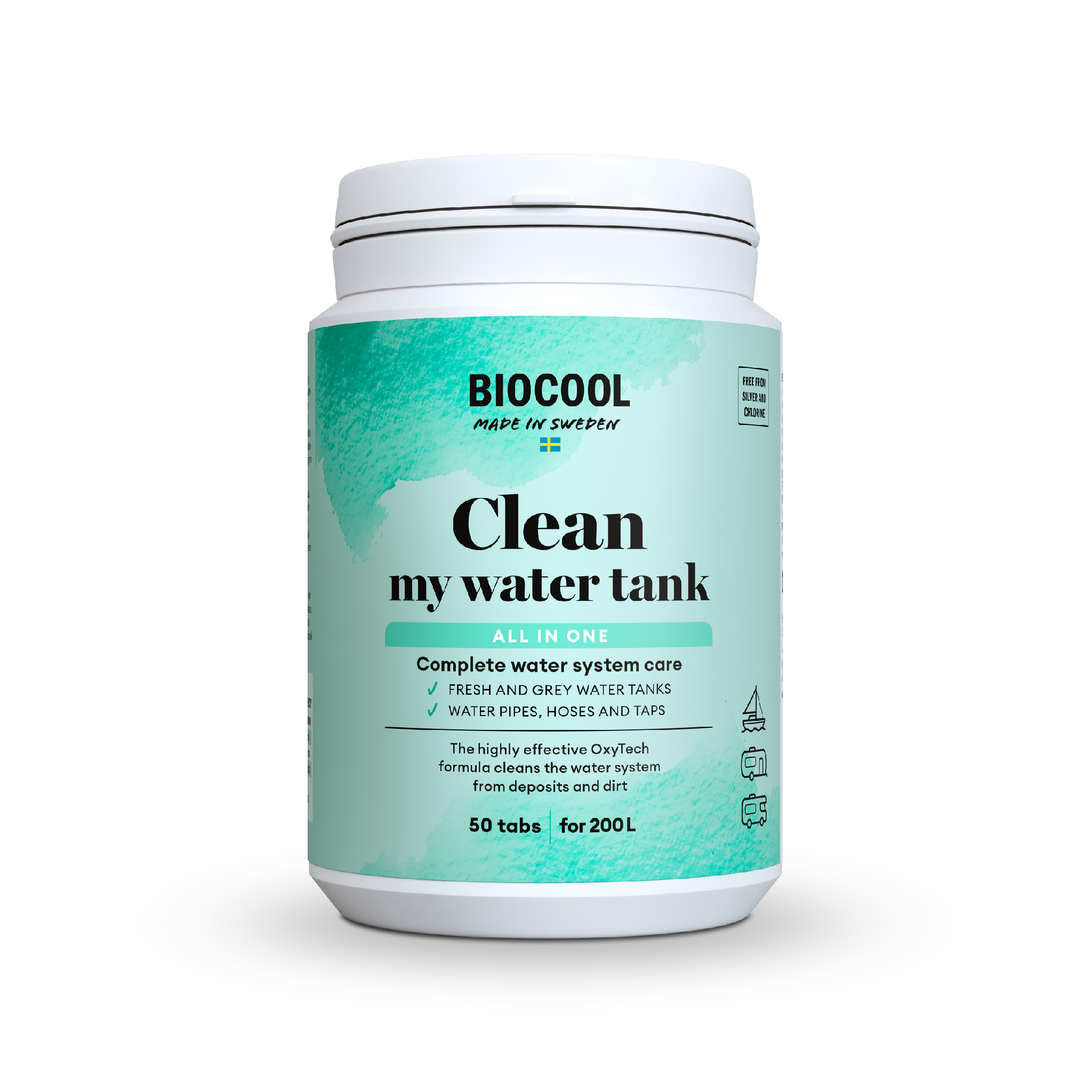
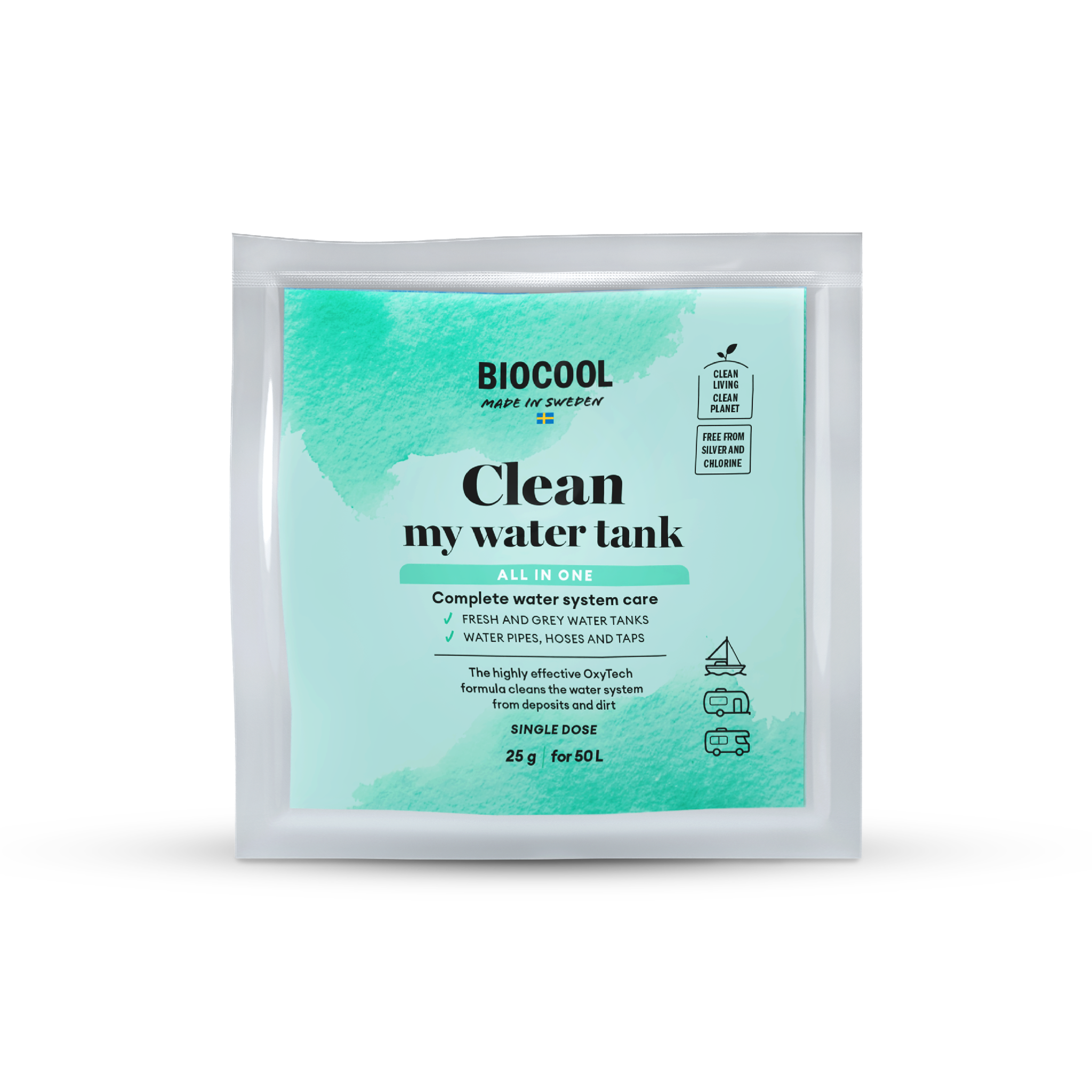
If a water tank or water system hasn’t been cleaned in a long time, a quick flush will rarely be enough. Deposits can build up in the tank, pipes and faucets, affecting taste, odor and water flow. Heavy-duty cleaning is the step you take when you want to start fresh and get the system fully clean ahead of the season, after a long period of inactivity, or when there is heavy limescale buildup.
Tips
- Choose heavy-duty cleaning when the tank is old or hasn’t been cleaned in a long time.
- Allow the cleaning solution to reach the entire system by opening the faucets for a short time at the start.
- Plan for a longer processing time when deposits are stubborn or you have hard water.
- Drain and rinse thoroughly afterward so that any dislodged deposits are fully removed.
- Repeat the treatment as needed.
- Continue with regular ongoing maintenance after the heavy-duty clean to prevent the problem from returning.
Step-by-Step: Heavy-Duty Water Tank Cleaning
-
Plan for 12–24 Hours of Processing Time
Heavy-duty cleaning relies on processing time. Plan for roughly 12 hours, and up to 24 hours if you have hard water. -
Add the heavy-duty cleaner to the tank and fill with water
Add the correct dosage to the tank, then top up with water. -
Open the faucets briefly so the solution reaches the entire system
Open all faucets for a short time so the solution also reaches the pipes and fixtures. -
Allow the Solution to Work
Let the solution work as directed. For stubborn deposits or heavy limescale, a longer processing time may be required. -
Drain the Tank and Rinse the System Thoroughly
Drain the entire tank and rinse with clean water. Flush all faucets as well so any dislodged deposits and debris are washed out. -
Repeat as Needed
If the system has been neglected for a long time, you may need to complete two rounds before it is fully clean. -
Regular Ongoing Maintenance
Once the heavy-duty clean is complete, the next step is regular ongoing maintenance. You can use this method.
In-Depth Explanation: Why Problems Worsen With Hard Water
Hard water can create limescale deposits that build up faster when water is left standing. When limescale combines with deposits in the tank and pipes, it can affect taste, odor and water flow. Heavy-duty cleaning is therefore especially relevant when you frequently fill your tank from areas with hard water.
Questions and Answers
When Should I Choose Heavy-Duty Cleaning Instead of Standard Cleaning?
When the tank hasn’t been cleaned in a long time, when deposits are visible, when the water has an off odor or taste, or when you have severe limescale issues.
Why Should I Open the Faucets at the Start?
So the solution reaches the pipes and faucets, rather than just sitting in the tank.
What Should I Do If Water Flow Gets Worse After Cleaning?
This could be because deposits have become dislodged. Rinse thoroughly, clean any filters as needed, and complete a second round if required.
Can I Mix This With Other Products for Extra Effect?
No. Do not mix cleaning products. Follow the instructions for the product you are using.
How Can I Prevent the Problem From Returning?
Clean the tank regularly and maintain consistent water quality with proper maintenance, especially when water is left standing for extended periods.
Links